Bed Bug Blog
Bed Bugs in Nashville Apartments: What Landlords and Property Managers Need to Know
November 1, 2026
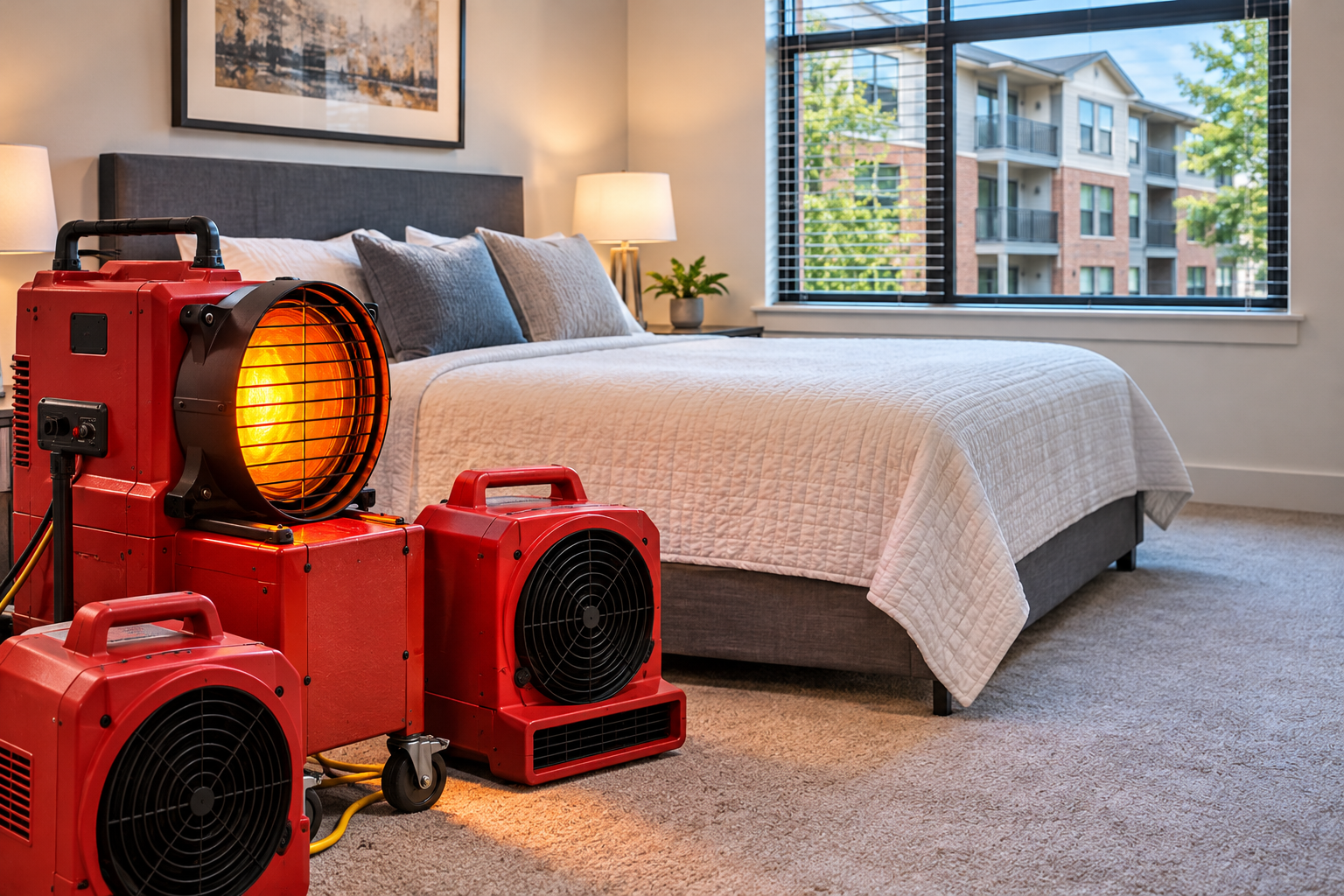
Dealing with bed bugs in a single-family home is challenging enough. In an apartment building, the situation can become considerably more complicated.
You may have multiple tenants reporting problems, neighboring units that need inspection, residents with different schedules, and concerns about how quickly an infestation could spread. For landlords and property managers, the challenge isn't just getting rid of bed bugs. It's coordinating an effective response without creating unnecessary disruption for residents.
The good news is that a well-organized treatment plan can make a significant difference.
At Nashville Bed Bugs, we specialize in professional bed bug eradication using commercial-grade heat treatment for residential and commercial properties throughout Nashville and Middle Tennessee.
Here's what apartment owners and property managers should know about identifying infestations, preventing their spread, and coordinating professional treatment.
How Do Bed Bugs Spread Between Apartments?
Bed bugs don't fly or jump, but they're excellent hitchhikers. They can travel in luggage, clothing, furniture, backpacks, and other personal belongings.
In apartment buildings, they also have opportunities to move between neighboring units.
1. Shared Walls and Utility Openings
Bed bugs can travel through cracks, gaps around plumbing, electrical penetrations, and other openings between apartments.
An infestation that begins in one unit can sometimes spread to neighboring apartments, particularly when the original problem goes untreated.
That's why inspecting adjoining units may be appropriate when bed bugs are discovered in a multi-unit building.
2. Moving Furniture and Personal Belongings
Used mattresses, couches, bed frames, and other furniture can introduce bed bugs into an otherwise unaffected apartment.
Moving infested furniture through hallways or leaving it in shared spaces can also create opportunities for bed bugs to spread.
Property managers should discourage residents from moving potentially infested belongings into common areas without a plan for proper handling.
3. Resident Turnover and Visitors
Apartment communities naturally experience frequent movement. Residents move in and out, friends and family visit, and luggage comes and goes.
Bed bugs can be introduced through any of these activities, even in clean, well-maintained buildings.
Bed bugs are not a sign of poor housekeeping. They feed on blood, not dirt or food scraps, and can affect virtually any property.
Why Early Detection Matters for Apartment Owners
One of the most expensive mistakes a property manager can make is waiting too long to investigate a credible bed bug report.
A problem that might initially involve one apartment can become more complicated if bed bugs spread into adjoining units.
Early action can help:
- Limit the number of apartments requiring treatment
- Reduce scheduling complications
- Minimize disruption for residents
- Avoid unnecessary treatment expenses
- Reduce the likelihood of ongoing complaints
For larger apartment communities, having a consistent procedure for responding to bed bug reports is especially valuable.
Warning Signs Property Managers Should Recognize
Residents may not immediately recognize bed bug activity. Some assume they're dealing with mosquitoes, fleas, or a skin irritation.
Common signs worth investigating include:
- Small, reddish-brown insects around beds or furniture
- Dark spotting along mattress seams or bed frames
- Shed bed bug skins
- Tiny, pale eggs in cracks and crevices
- Reports of unexplained bites after sleeping
Keep in mind that bites alone cannot confirm a bed bug infestation. Skin reactions vary widely, and some people experience no visible reaction at all.
When a resident reports possible bed bugs, the best response is to investigate promptly rather than assume the problem is or isn't bed bugs.
Why Professional Heat Treatment Works Well for Apartments
Professional bed bug heat treatment uses specialized heating equipment to raise temperatures throughout a designated treatment area to levels lethal to bed bugs.
Unlike treatments that rely entirely on applying products to individual hiding places, heat can penetrate many of the cracks, furniture joints, and other protected spaces where bed bugs hide.
At Nashville Bed Bugs, our treatment process uses commercial-grade heating equipment, air circulation, and temperature monitoring to help ensure the necessary temperatures are reached throughout the treatment area.
Can You Heat-Treat Just One Apartment?
Yes, in many situations.
An apartment building does not automatically need to undergo heat treatment in its entirety because one unit has bed bugs.
Depending on the findings, treatment may be limited to a particular apartment or a group of affected units.
However, neighboring apartments may also need evaluation, especially when there is evidence of movement between units.
The appropriate treatment scope depends on the infestation, building layout, and inspection findings.
What Makes Heat Treatment Different From Chemical Treatment?
Conventional chemical bed bug treatment programs often involve multiple applications and follow-up visits.
Professional heat treatment offers a more concentrated approach that may reduce the number of treatment visits required.
For property managers, this can mean fewer scheduling complications and less prolonged disruption for tenants.
However, heat treatment is not automatic or foolproof. Proper preparation, equipment placement, temperature monitoring, and follow-up recommendations are important to achieving successful results.
For more information about the process, visit our professional bed bug heat treatment page.
Five Steps for Managing Bed Bug Treatment in an Apartment Building
A coordinated response helps avoid confusion, delays, and unnecessary expenses.
Step 1: Investigate the Initial Report
Start by gathering information from the resident.
Ask where bed bugs or suspicious signs were observed, when the problem began, and whether any insects have been collected or photographed.
Arrange an appropriate inspection to confirm the issue and determine whether neighboring units should also be evaluated.
Avoid assuming that every reported bite is caused by bed bugs.
Step 2: Establish One Point of Contact
For multi-unit properties, designate a property manager or maintenance coordinator to communicate with the treatment provider.
This helps keep inspections, scheduling, resident instructions, and follow-up activities organized.
It also reduces the likelihood of residents receiving conflicting information.
Step 3: Give Residents Clear Preparation Instructions
Proper preparation is an important part of professional bed bug treatment.
Depending on the treatment method and property, residents may need to:
- Remove or protect heat-sensitive belongings
- Make furniture and treatment areas accessible
- Follow specific laundry and clothing instructions
- Arrange to be away from the apartment during treatment
- Avoid moving potentially infested belongings into other units
Residents should follow the treatment provider's specific preparation checklist rather than relying on generic internet advice.
Property managers should also consider whether elderly residents, people with disabilities, or others may need reasonable assistance completing preparation requirements.
Step 4: Coordinate Treatment Scheduling
Treatment is easier to manage when everyone understands the schedule.
Confirm which apartments require access, what preparation must be completed, and when residents can return.
For larger properties, maintaining a simple treatment log can help track inspections, affected units, treatment dates, and follow-up needs.
This documentation can also be useful if additional complaints arise.
Step 5: Monitor and Prevent Reintroduction
Even after successful treatment, bed bugs can be brought back into a property through travel, visitors, or infested belongings.
Property managers should encourage residents to report suspected activity promptly and follow any recommended monitoring or prevention procedures.
When additional activity is reported, investigate rather than automatically assuming the original treatment failed.
What If a Tenant Doesn't Cooperate With Treatment?
Tenant preparation and access can be among the biggest challenges in apartment bed bug treatment.
Incomplete preparation may make it harder to reach affected areas, delay treatment, or reduce its effectiveness.
Clear written instructions, adequate notice, and consistent communication can help.
If a resident is unable or unwilling to cooperate, property managers should follow applicable lease requirements and Tennessee law, including any relevant notice, access, and accommodation obligations.
Legal questions involving tenant access, responsibility for treatment costs, or enforcement should be reviewed with qualified Tennessee legal counsel.
Who Is Responsible for Bed Bug Treatment in Tennessee Apartments?
Landlords and tenants often ask who must arrange and pay for bed bug treatment.
There isn't a single answer that applies to every rental situation.
Responsibilities can depend on applicable Tennessee landlord-tenant laws, local requirements, lease provisions, the property's location, and the circumstances surrounding the infestation.
Rather than automatically assigning responsibility to either the landlord or tenant, property managers should document reports, respond appropriately, and obtain legal guidance when questions arise about payment or compliance.
Regardless of who ultimately bears the cost, delaying an investigation while debating responsibility can allow the problem to become more difficult to manage.
This information is general guidance, not legal advice.
How Can Apartment Communities Reduce Future Bed Bug Problems?
No apartment building can guarantee that bed bugs will never be introduced. However, property managers can take practical steps to reduce the risk of a small problem becoming a larger infestation.
Consider establishing a consistent procedure that includes:
- Encouraging residents to report suspected bed bugs promptly
- Investigating reports before activity spreads
- Educating maintenance and housekeeping staff about warning signs
- Establishing procedures for handling infested furniture
- Evaluating neighboring units when appropriate
- Maintaining records of inspections, treatments, and follow-up activity
- Working with a professional bed bug treatment provider
For apartment communities with frequent turnover, student housing, senior housing, and other multi-unit properties, a clear response plan can be especially valuable.
Professional Apartment Bed Bug Treatment in Nashville and Middle Tennessee
Nashville Bed Bugs specializes in professional bed bug heat treatment for residential and commercial properties.
We work with homeowners, landlords, apartment managers, and other property owners who need a practical approach to bed bug eradication.
Our service area includes Nashville and surrounding Middle Tennessee communities, including Murfreesboro, Mt. Juliet, Clarksville, Franklin, Brentwood, Hendersonville, Gallatin, and Goodlettsville.
Whether you're dealing with a suspected infestation in one rental unit or coordinating treatment across multiple apartments, understanding the scope of the problem is the first step.
Get Help With Bed Bugs in Your Apartment Building
Bed bugs can create significant challenges for landlords, property managers, and residents, but a prompt, coordinated response can help keep the situation manageable.
If you're dealing with suspected bed bugs in a Nashville-area apartment building, contact Nashville Bed Bugs to discuss your property, the reported activity, and appropriate professional treatment options.
We'll help you understand the next steps and develop a treatment approach suited to your situation.
Call Nashville Bed Bugs at (615) 257-0255 or request service online.
Licensed pesticide services: Chemical or pesticide applications, when included in a treatment plan, are performed by Five-O Pest Control under TN Charter #6121.