Bed Bug Blog
How to Prepare Your Home for Professional Bed Bug Heat Treatment in Nashville
November 1, 2026
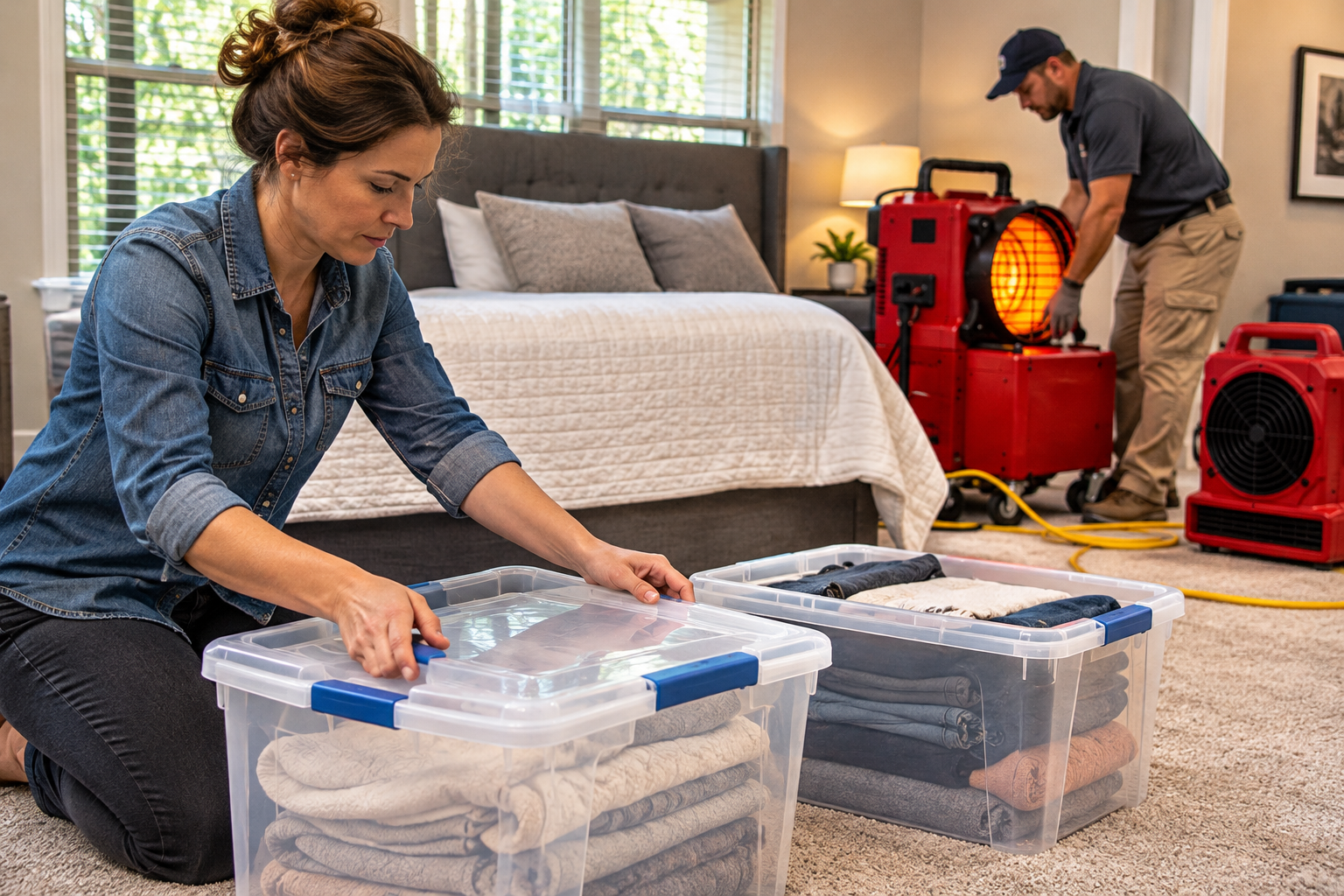
Preparing for professional bed bug heat treatment can feel overwhelming, especially when you are worried about moving belongings or accidentally spreading the infestation. The good news is that preparation is manageable when you know what to ask and follow a clear plan.
At Nashville Bed Bugs, our focus is professional bed bug eradication using commercial-grade heat equipment and temperature monitoring. Your preparation helps our technicians work safely and allows heat to circulate through the areas being treated.
This article offers general guidance for homeowners and renters in Nashville and Middle Tennessee. Your written Nashville Bed Bugs preparation instructions—and any directions from your treatment team—always take precedence.
Why preparation matters
Bed bugs hide in mattress seams, furniture joints, cracks, and other sheltered locations. Professional heat treatment is designed to bring treated areas to lethal temperatures, but crowded spaces and tightly packed belongings can make temperature distribution more difficult.
Preparation also helps identify items that could be damaged by heat, creates access for technicians, and reduces avoidable delays. It does not mean you should empty your home or carry everything into another room.
Start with your actual treatment checklist
Read your provider’s instructions as soon as you receive them. Ask about the rooms being treated, which items should remain in place, which require special handling, where technicians need access, and when people and pets may return.
Tell your treatment team in advance about unusually cluttered rooms, delicate collections, medical equipment, large electronics, aquariums, or other circumstances that could affect the plan. If you are renting, coordinate access and building requirements with your landlord or property manager.
Identify heat-sensitive and hazardous belongings
Some items may melt, warp, leak, degrade, or create safety hazards at treatment temperatures. Common examples include aerosol cans, pressurized containers, candles, wax products, certain cosmetics, medications, flammable liquids, and some plastics or adhesives. Batteries, electronics, musical instruments, artwork, and collectibles may need individual guidance.
Do not assume every item in one category must be removed, or that everything can safely remain. Follow the specific instructions for your home. If you are asked to remove an item that may harbor bed bugs, ask how to contain and inspect or treat it so you do not carry the infestation elsewhere.
Clothing, bedding, and laundry
Avoid carrying loose piles of clothing or bedding through the house. Bed bugs and eggs can travel on fabric, and moving belongings from a treated space into an untreated space can undermine the treatment plan.
If laundering is required, follow the provider’s instructions for bagging, transporting, drying, and storing those items. Dryer heat can be useful for suitable fabrics, but the cycle and temperature must be appropriate for the material and the treatment plan. Do not return untreated items to cleaned or treated areas without guidance.
Do not discard mattresses, sofas, or clothing simply because bed bugs may be present. Ask the technician whether the items can be treated and how they should be handled.
Electronics, medications, and personal items
Laptops, televisions, chargers, routers, and other electronics have different heat tolerances. Ask which devices can remain, which should be unplugged, and which require special handling. Back up irreplaceable data before treatment when practical.
Prescription medications, vitamins, contact lens supplies, and other temperature-sensitive products may need to be kept outside the treatment area. Follow product storage instructions and ask your pharmacist when uncertain. Coordinate with the treatment team so removing these items does not create an opportunity for bed bugs to spread.
Pets, people, and plants
People and animals must not remain in an area while professional heat treatment is underway. Make arrangements for dogs, cats, birds, and other pets, and discuss fish tanks, terrariums, and service animals with the team well before treatment day.
Ask about houseplants and other living things that could be affected by elevated temperatures. Do not reenter the treated area until the team says it is safe to do so.
Clear access without spreading the infestation
Make sure technicians can reach the areas specified in your checklist, including furniture, closets, electrical access points, and other locations necessary for setup and monitoring. Do not move potentially infested furniture into hallways, garages, vehicles, or unaffected rooms just to create space.
Avoid using do-it-yourself pesticides, foggers, or household space heaters before treatment unless your provider specifically directs you to do so. Such actions can complicate the response or create safety risks.
What happens on treatment day?
A professional team typically positions commercial heating equipment and fans, places temperature sensors, and monitors the treatment area as temperatures rise and are maintained. Equipment placement and treatment duration depend on the building, its contents, and measured conditions—not a universal clock time.
After the treatment, follow the team’s instructions for reentry, unpacking, cleaning, monitoring, and any recommended follow-up. Heat treatment addresses bed bugs present in successfully treated areas; it does not prevent new bed bugs from being brought into the property later.
Frequently asked questions
Do I need to throw away my mattress?
Not automatically. Many mattresses and furnishings can be included in a professional treatment plan. Ask your technician before discarding or moving anything.
Can electronics stay in the home?
Some can, but heat tolerance varies. Your treatment team should review sensitive or valuable devices and provide item-specific directions.
Should I move everything out before treatment?
No. Unnecessary movement can spread bed bugs. Follow the written checklist and ask before relocating belongings.
Ready to plan treatment in Nashville?
Nashville Bed Bugs provides professional bed bug heat treatment for homes, apartments, and commercial properties across Nashville and Middle Tennessee. If you suspect bed bugs or have questions about preparing for treatment, contact our team to discuss the property and the next steps.
Call (615) 257-0255 or visit NashvilleBedBugs.com to get started.